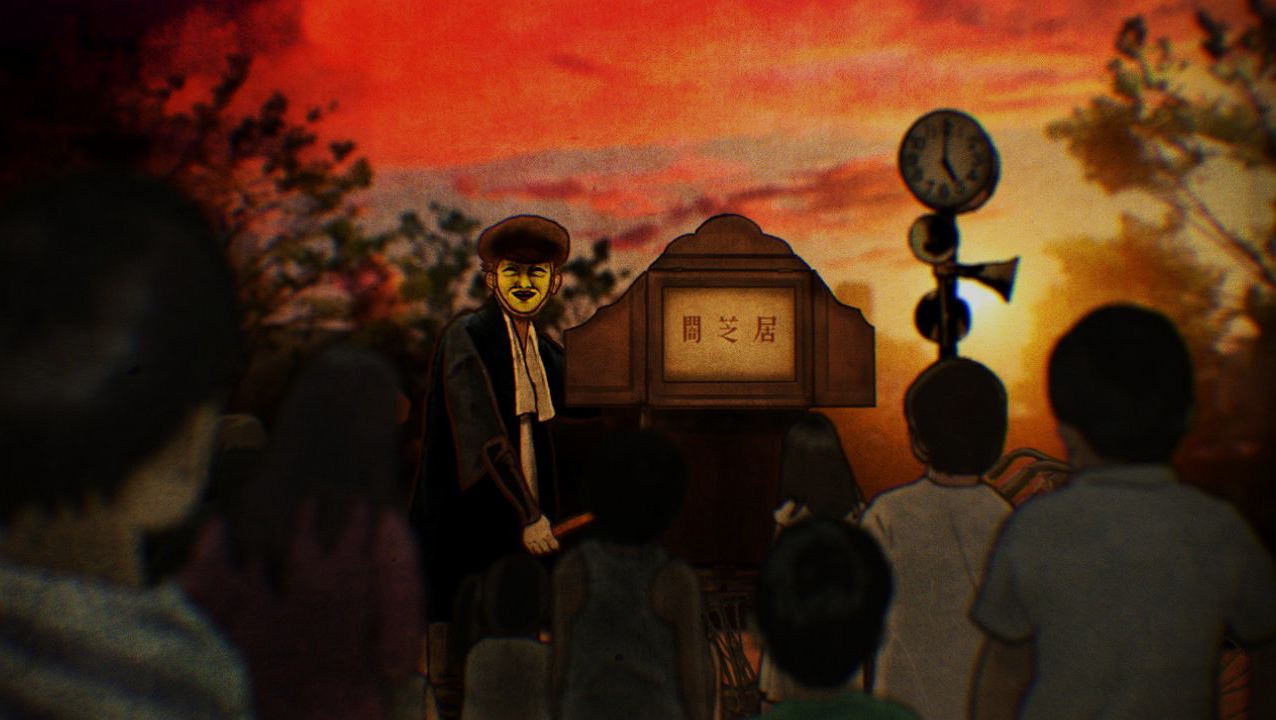
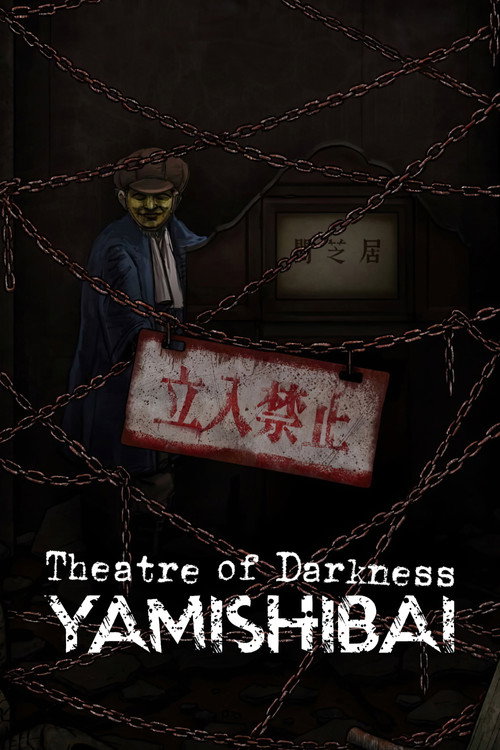
If you're tired of the same old horror movies that rely on jump scares, Yamishibai offers a different kind of fright. This short anime series tells stories through still images in the kamishibai style, drawing on Japanese urban legends and horror tales.
First aired in 2013, it now spans 17 seasons with 221 episodes, each only 4-5 minutes long, yet capable of creating an unsettling and chilling atmosphere. The series doesn't rely on jump scares but focuses on building mood and psychological horror.
Plot Summary (No Spoilers)
Each episode of Yamishibai is a short story about supernatural events, ghost tales, urban legends, and Japanese superstitions. The main characters are ordinary people who encounter strange phenomena in daily life, such as meeting a woman in white on a late-night street, hearing mysterious sounds from an empty room, or encountering a living doll.
The series has no continuous storyline; each episode is self-contained, allowing viewers to start anywhere. The Storyteller ties the episodes together, appearing in the opening and closing scenes to narrate with a dry, eerie voice.
Performance and Characters
Since it's a still-image animation, voice acting plays a crucial role. Kanji Tsuda, who voices the Storyteller, delivers a cold, weary tone that is wonderfully creepy. He makes you feel like you're listening to ghost stories from an old man who knows many dark tales.
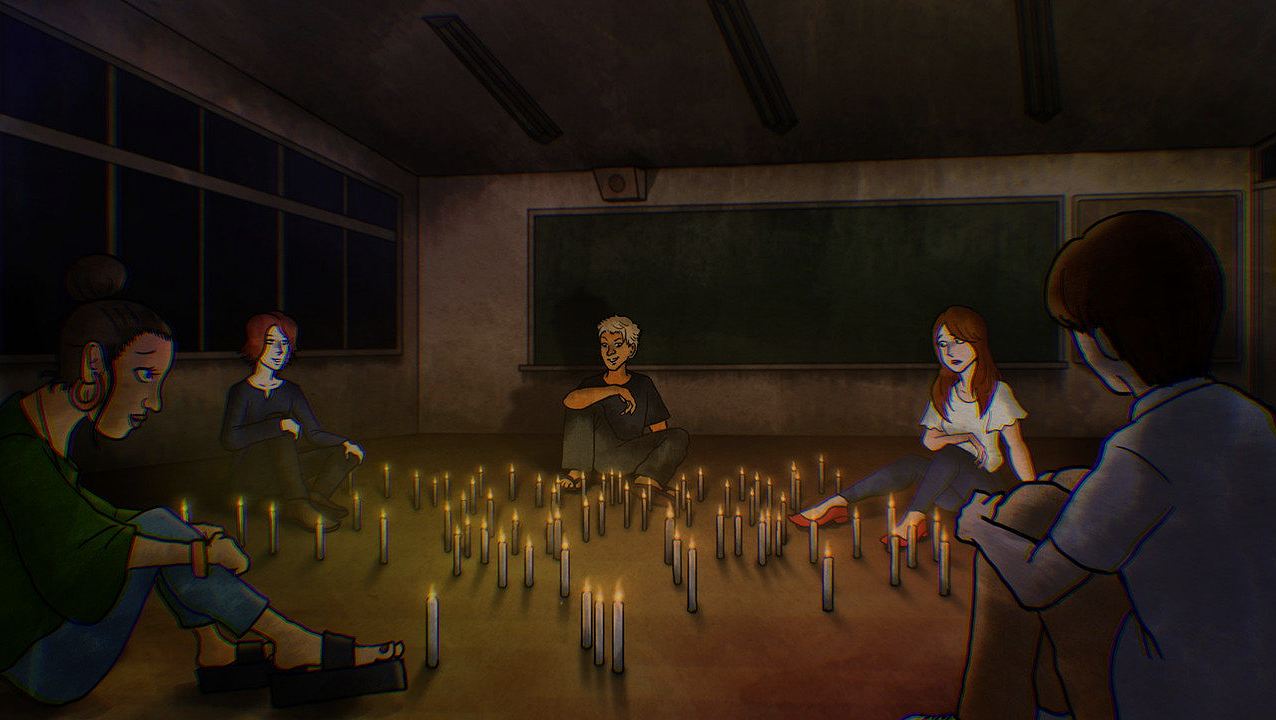
Other voice actors, like Riko Momonoi and Yo Koizumi, who play the Audience, help build the atmosphere with short dialogues that make you feel like you're sitting in a storytelling circle. The characters in the stories are ordinary people with little detail, but enough to connect with their fears.
Direction, Visuals, and Music
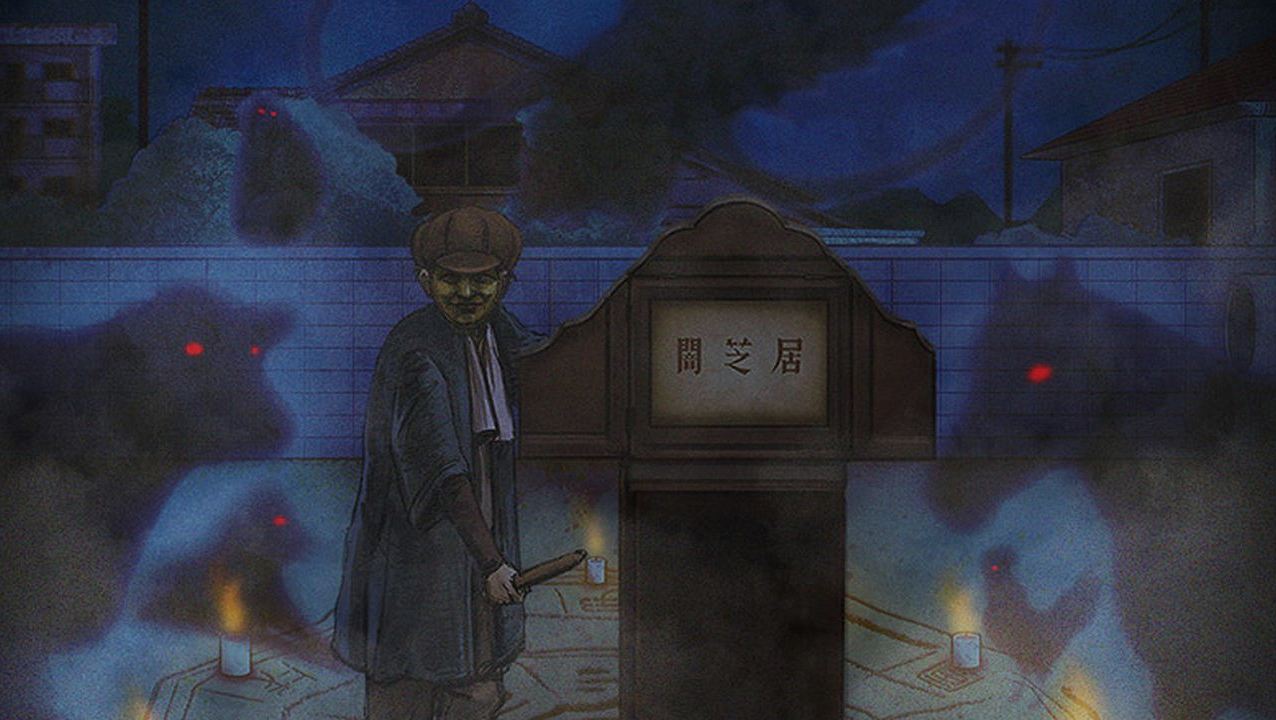
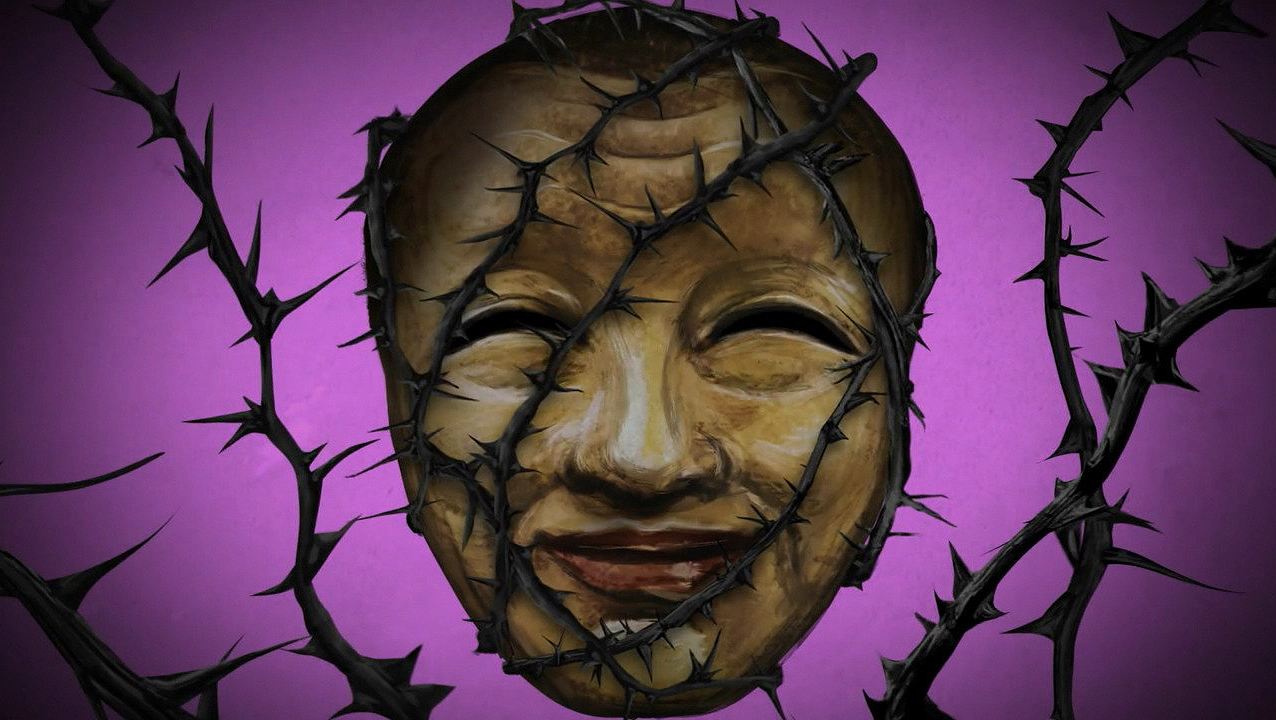
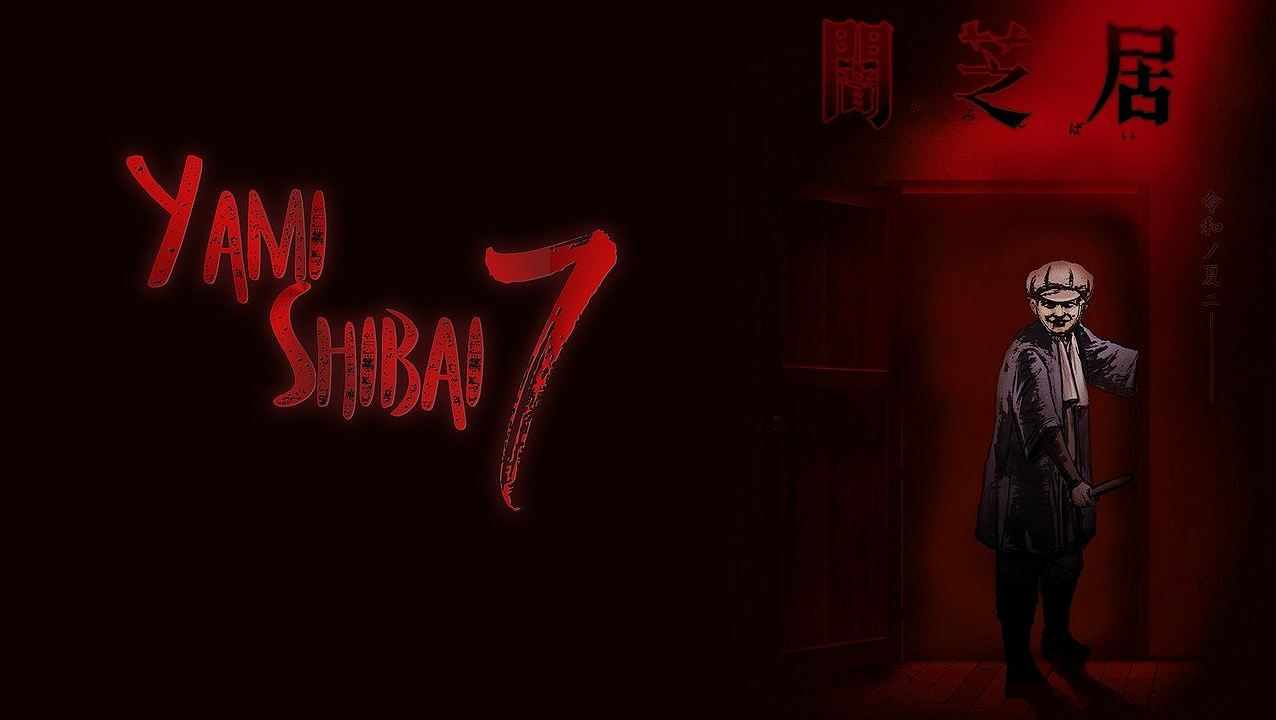
The standout feature of Yamishibai is its kamishibai-style visuals. The oil or watercolor paintings look rough, stained, and dark. Characters and backgrounds are drawn with aged lines, lacking realism but creating an unsettling and creepy feeling.
Movement in the series is minimal; sometimes it's almost still images with only slow camera pans or scene transitions, which adds to the discomfort and fear. The soundtrack uses simple sounds like rain, wind, or Japanese instruments that evoke loneliness, especially the opening song sung by a child's voice, which is particularly eerie.
Editorial Analysis
The editorial team finds Yamishibai a daring and unique series compared to typical horror anime. The simplicity of visuals and sound becomes a powerful weapon, forcing viewers to use their imagination to fill in the horror, something modern horror often overlooks.
However, with each episode being very short (only 4-5 minutes), the storytelling sometimes feels rushed, and some plot points are left unresolved. But that might be part of its charm, making you think after the episode ends. It's perfect for those who enjoy slow-burn horror without jump scares.
Verdict
Yamishibai is a unique and distinctive horror series, perfect for those who enjoy experimental horror, urban legends, and aren't afraid of simplicity. If you're looking for something short and spooky before bed, give it a try—you'll get hooked.
Screenshots
👍 Pros
- +Unique kamishibai visual style creates a great eerie atmosphere
- +Short, concise episodes that are easy to watch without getting bored
- +Focuses on psychological horror and atmosphere rather than jump scares
👎 Cons
- −Some episodes may have incomplete or abruptly ending stories
- −Still images and minimal movement might bore some viewers
- −Not suitable for those who prefer horror with complex plots or continuous storylines
Top Cast




FAQ
Currently, there are 17 seasons with a total of 221 episodes, each about 4-5 minutes long.
It is available on Crunchyroll, Amazon Prime Video (in some regions), and other streaming platforms depending on your location.
Yes, it is a short horror series focusing on Japanese urban legends and ghost stories, with an eerie atmosphere and no gore.
Not recommended for young children due to horror content that may cause nightmares. Parental discretion is advised.